The Enduring Power and Practical Magic of a Colorful Notebook Planner
In a world increasingly dominated by screens, notifications, and digital workflows, there remains a profound, tactile satisfaction in putting pen to paper. The act of writing, planning, and organizing in a physical notebook is not just a nostalgic throwback; it is a cognitive and creative process that engages the mind differently. This is where the Colorful Notebook Planner shines. It is more than a simple stationery item; it is an awesome planner notebook designed as a versatile toolkit for thought, a catalyst for productivity, and a meaningful canvas for personal expression.
Beyond Simple Note-Taking: The Multifaceted Purpose of a Planner Notebook
At its core, a planner notebook serves a fundamental human need: to externalize and structure our internal world. Its purpose is tri-fold: to capture, to organize, and to inspire. Unlike a blank journal, a planner often implies a framework—dates, sections, or layouts—that guides this process. However, the true significance of a high-quality planner, like this colorful option, lies in its flexibility. It accommodates not only rigid schedules but also the fluid, creative, and often chaotic nature of our thoughts and projects.
This notebook is perfect for taking notes, writing, organizing, doodling, lists, journaling, and brainstorming. This list isn't just a set of features; it's a declaration of its practical relevance. In modern life, where roles blur—we are professionals, creatives, students, and homemakers simultaneously—a single tool that can handle a meeting agenda, a grocery list, a project mind-map, and a personal reflection is invaluable. It becomes a central repository, reducing the fragmentation of information across multiple apps and sticky notes.
The Anatomy of a Quality Tool: Features That Matter
Understanding what makes a notebook "awesome" requires looking at its physical construction. This notebook is built with intention:
- 150 High-Quality Pages: This volume provides ample space for sustained use without being overwhelmingly bulky. It signifies commitment—a tool for a quarter-year project, a full academic semester, or a deep creative endeavor.
- Dimensions (8.625" x 11.25" with bleed): This size is notably generous. It's larger than standard A4 or US Letter, offering a expansive canvas for writing and design. The "bleed" specification indicates it's prepared for professional printing, hinting at its utility for designers, artists, and small business owners creating custom covers.
- Comprehensive File Formats (Ai, Eps, Jpg, Pdf): This is a critical feature that bridges the physical and digital worlds. The provided Zip file includes versatile formats for both the book cover and the 150 interior pages. This means the notebook isn't just a pre-made product; it's a template. It empowers users to personalize, customize, and integrate the design into their own digital workflows or printing processes, making it relevant for tech-savvy planners and DIY enthusiasts.
The Significance of Color and Personalization in Planning
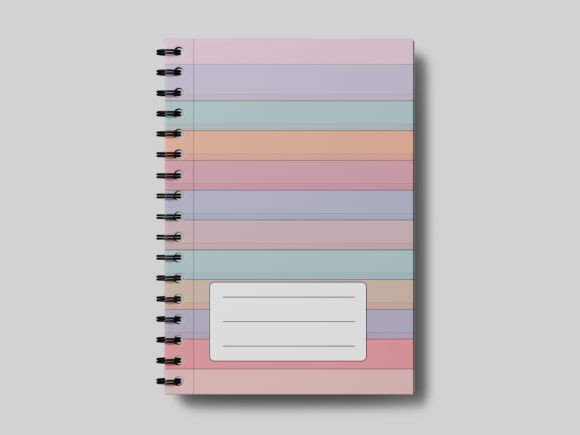
A common assumption is that planning is a purely logical, black-and-white activity. This misunderstands the role of emotion and engagement in productivity. The colorful aspect of this notebook is not merely decorative. Color psychology suggests that hues can influence mood, energy, and cognitive focus. A vibrant cover or interior can make the routine act of opening the notebook a more joyful, inviting experience. This increases the likelihood of consistent use—the cornerstone of any successful planning system.
Furthermore, the gift-giving potential mentioned speaks to its deeper significance. Giving someone a planner is not just giving them paper; it's giving them a tool for potential—a way to organize their dreams, manage their time, or capture their ideas. It's a supportive and empowering gift, especially when it's a customizable template, allowing the recipient to make it truly their own.
How a Planner Notebook Fits into Modern Work, Education, and Creativity
Let's explore its fit across different domains with natural examples:
- Work & Business: A freelancer might use it to track client projects (lists), sketch logo ideas (doodling), and outline contract terms (writing). The provided PDF of 150 pages could be used to print a branded proposal booklet for a client.
- Education: A student finds it perfect for lecture notes, organizing research for a paper (brainstorming), and keeping a semester-long journal of their learning journey. The large page size accommodates complex diagrams and formulas.
- Creativity & Daily Life: An artist uses it for sketching compositions (doodling), listing art supply needs, and journaling about creative blocks. A parent might use it as a family command center for meal plans, chore lists, and scheduling appointments.
The integration with technology, via the digital file formats, is a key modern touch. One can design a cover in Adobe Illustrator (using the Ai/Eps files), print it professionally, and yet fill the pages with handwritten notes—a perfect hybrid approach.
Building a Broader Understanding: The Notebook as a System
To fully leverage a tool like this, one must see it not as a passive book but as an active system. Here are ways to build that broader understanding:
- Define Its Primary Role: Decide if this particular notebook will be your everything book or a dedicated project book. Its 150-page scope supports either.
- Embrace Mixed-Use: Don't segregate "work" pages from "doodle" pages rigidly. Let a meeting note spill into a brainstorm for a personal hobby. This cross-pollination can spark innovation.
- Utilize the Digital Assets: If you have design skills, use the cover template to create a cover that reflects your current goal or theme. This reinforces your intention every time you see the notebook.
- Link to Digital Tools: Use the notebook for raw capture and deep thinking, then transfer refined actions or schedules to digital calendars. Let each system do what it does best.
A common misunderstanding is that physical planners are obsolete. The opposite is true. They complement digital tools by offering a space for unfiltered, distraction-free thinking. The act of handwriting itself slows the mind, aiding comprehension and memory retention—a boon for both a student learning material and a professional solving a complex problem.
From Acquisition to Application: Making Your Planner Work
Once you have this versatile toolkit, how do you start? Begin by exploring the digital Zip file. Familiarize yourself with the formats. Even if you don't design a custom cover now, knowing you have the option is empowering. Then, approach the physical (or printed) notebook without pressure. Let the first few pages be a test zone: try a list, a quick journal entry, a doodle. Use the large size to spread out. Notice how the space affects your thinking.
Over time, patterns will emerge. You'll discover which of its many perfect uses—journaling, brainstorming, organizing—resonate most with your current needs. The notebook's flexibility ensures it can evolve with you, from a student's academic tool to a professional's project log to a retiree's travel planning companion.
The Lasting Relevance of a Tangible Tool
In conclusion, a Colorful Notebook Planner like this represents a thoughtful convergence of form, function, and freedom. Its high-quality pages and generous size provide a substantive physical foundation. Its multi-format digital templates acknowledge our interconnected digital-physical lives. Its advertised versatility for notes, lists, journals, and brainstorms validates the complex, multi-modal way we actually think and work.
Whether used as a personal system for clarity, a professional tool for productivity, a creative canvas for expression, or a gift of potential for someone else, its value is profound. It stands as a reminder that sometimes the most helpful technology is not the most advanced, but the most adaptable—a simple, colorful space where our ideas can land, grow, and be organized, one page at a time.