The Quiet Artistry and Practical Value of Camel Coloring Pages for Kids
In the bustling marketplace of children's creative materials, the humble coloring page occupies a space of profound simplicity and potential. While dinosaurs, unicorns, and jungle animals often dominate the spotlight, there exists a unique niche of quiet charm: the camel coloring page. This specific focus on the camel, an animal of resilience and historic significance, offers more than just a simple activity. It represents a confluence of artistic development, educational opportunity, and, for many creators, a viable digital product. The journey from a simple sketch to a market-ready digital printable involves critical considerations of file quality and format, decisions that directly impact the end-user experience and commercial success.
Why the Camel Makes an Exceptional Coloring Subject
Moving beyond the typical fare of domestic pets or fantastical creatures, the camel brings a distinct set of characteristics to the coloring table. Its anatomical features—the long, curved neck, the distinctive hump(s), the sturdy legs, and often a textured coat—present a variety of shapes and lines for a child to navigate. This complexity is manageable yet stimulating. Coloring a camel animal page encourages attention to detail: should the hump be a single smooth curve or two? How does one represent the shaggy fur of a Bactrian camel versus the smoother coat of a dromedary? This subtle engagement with biological diversity is an informal introduction to natural science.
Furthermore, the camel is intrinsically linked to stories of desert landscapes, caravan travels, and cultures from the Middle East to Asia. A parent or educator can use this camel coloring sheet as a springboard for discussions about geography, adaptation (how camels survive in harsh environments), and human history. The animal becomes a character in a broader narrative, enriching the coloring activity with context. This layered potential makes it a compelling choice for activity books aiming to blend fun with foundational learning.
The Creator's Blueprint: File Quality as the Foundation
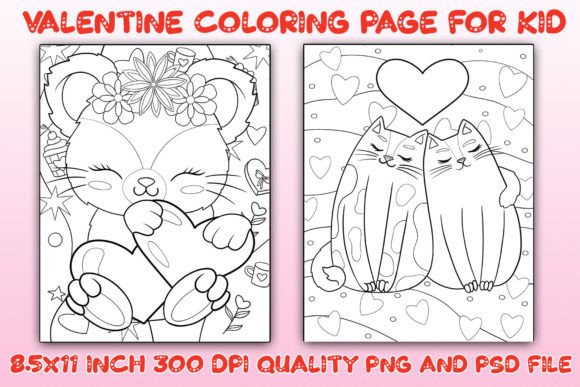
For the individual or business producing this content, whether for personal use, classroom distribution, or sale on platforms like Amazon KDP, the technical construction of the product is paramount. The phrase "digital printable" implies a promise: that the file will translate perfectly from screen to physical page. This promise is upheld by one key metric: DPI, or Dots Per Inch. A resolution of 300 DPI is the industry standard for print-ready graphics. At this density, the lines defining the camel's outline are crisp and continuous, not pixelated or blurred when printed at the intended dimensions, typically 8.5 x 11 inches (standard US letter size). A low-resolution image might produce jagged edges, frustrating a child trying to color within clean lines and devaluing the product.
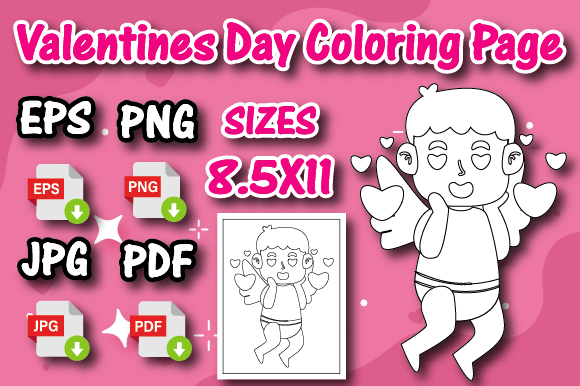
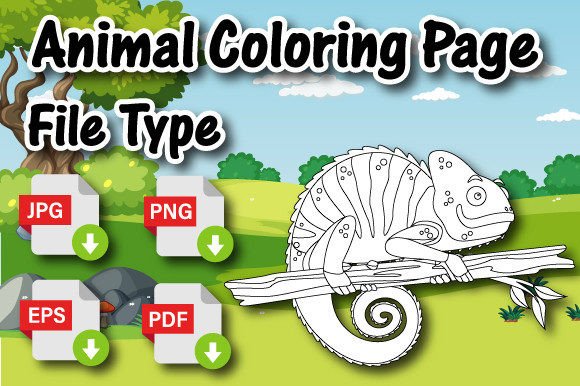
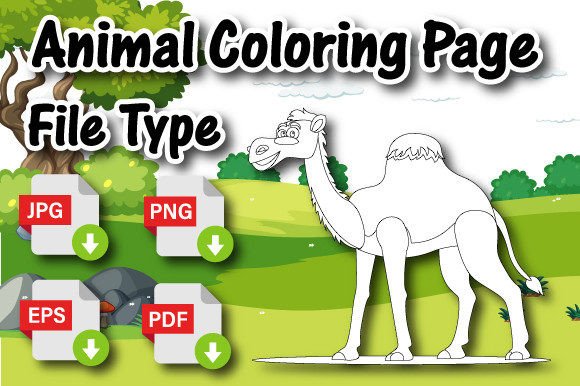
The inclusion of multiple file formats—EPS, PNG, JPG, and PDF—in a single offering addresses diverse user needs and technical scenarios. The EPS file, being editable, is a vector format. This means the artwork is defined by mathematical paths rather than pixels. For a buyer who is also a creator, this allows for infinite scaling without quality loss and modifications to the design itself, perhaps to add a background or integrate the camel into a larger scene. It represents the master blueprint.
Practical Applications and User Scenarios
The end-users of a high-quality camel animal coloring page are varied, and their applications demonstrate the product's real-world relevance.
For the educator, particularly in Kindergarten or early elementary settings, such a page is a versatile tool. It can serve as a quiet individual activity to develop fine motor skills and pencil grip. It can be part of a thematic unit on animals, habitats, or world cultures. The printable format allows for easy duplication for an entire class, ensuring every child has the same high-quality starting image. The reliability of the print output, guaranteed by the 300 DPI file, means no time is wasted troubleshooting blurry prints from the classroom printer.
For the parent or caregiver, it offers a ready-made, screen-free creative engagement. The single-page focus is less overwhelming than a full coloring book for a young child. The subject matter can pique curiosity, leading to questions and shared research about the animal. The availability of a PDF format is often crucial here, as it is the most universally accessible and print-friendly format for home users.
For the commercial creator or KDP publisher, this bundle of files is a business asset. The Amazon KDP platform, and others like it, have made niches like animal coloring books highly accessible. The "camel page" can be a standalone product or integrated into a larger collection titled "Desert Animals" or "Unique Creature Coloring Book." The ready-to-upload PNG and JPG files are optimized for the digital storefront's preview images, showing potential buyers a clear, attractive sample. The PDF is typically the final interior file uploaded for the printable book. Having all formats prepared streamlines the publishing workflow, from marketing to final product delivery.
Critical Considerations in Design and Distribution
Producing a successful coloring page requires more than just artistic skill. The design must be purposefully crafted for its audience. Lines should be bold enough for young children to see easily but not so thick that they dominate the page. The complexity should be age-appropriate; a camel design for toddlers might be more simplistic and cartoon-like, while one for older children could include more detailed patterns on saddle blankets or intricate desert backgrounds. The "cute" aesthetic mentioned is a strategic choice, as it appeals directly to the emotional engagement of young children, making the animal friendly and approachable.
From a business standpoint, understanding the niche is vital. The animal activity book market is popular but also crowded. Focusing on a specific animal like the camel can help a product stand out. It targets buyers looking for something beyond the generic. However, this also means the keyword strategy—how the product is titled and described—must be precise. Phrases like "Camel Coloring Page Printable," "Animal Coloring Sheet Camel," and "Desert Animal Activity Page" help connect with specific search intent. The description must transparently communicate the file details: the formats included, the DPI, and the dimensions. This transparency builds trust and reduces the likelihood of customer dissatisfaction due to technical mismatches.
The concept of a "High Content Book" on KDP often refers to interiors with many pages (like 100+). A single, meticulously crafted camel page can be the model replicated and varied to build such a book. Consistency in file quality across all pages is then non-negotiable. If one page is 300 DPI and another is 150 DPI, the final printed book will have uneven quality, undermining the professional value of the entire volume.
The Unseen Workflow: From Concept to Printable
The journey begins with the artwork. Whether drawn digitally or scanned from a hand drawing, the initial image is created at a high resolution. It is then meticulously cleaned, ensuring the outline is smooth and the interior spaces for coloring are clear. Next comes the multi-format export process. The editable EPS is saved from the original vector file or a suitably high-quality source. The PNG, a lossless raster format, is exported at 300 DPI with a transparent background, ideal for preview images. The JPG, a more compressed but universally compatible raster format, is also saved at 300 DPI. Finally, a PDF is generated, often the format that most reliably preserves dimensions and quality across all printing systems. This PDF is what a buyer will ultimately print.
Each file format serves a distinct role in the lifecycle of the coloring page. They are not redundant but complementary. This layered approach to file provision speaks to an understanding of the entire ecosystem: from the creator who might want to adapt the work, to the marketer who needs a clean web image, to the final user who just wants a perfect print for their child. It is a practice rooted in providing a complete solution, not just an image.
Observations from successful markets show that products which explicitly list these technical specifications tend to garner more positive reviews. Reviews often commend the "clean lines" and "perfect print quality," which are direct outcomes of the 300 DPI standard. Conversely, complaints frequently cite "fuzzy images" or "lines that broke up when printed," hallmarks of insufficient file quality. This feedback loop highlights that for the consumer, the artistry of the camel design is inseparable from the technical execution of the file. One cannot exist without the other in delivering a satisfactory experience.
In essence, the animal coloring page featuring a camel is a microcosm of modern creative commerce. It balances aesthetic appeal with educational substance, and artistic intent with technical rigor. For the child, it is a gateway to creativity and knowledge. For the creator, it is a product built upon clear standards of quality and utility, designed to function flawlessly in a variety of real-world scenarios—from a sunny kindergarten classroom to a home printer, to the global digital marketplace of Amazon KDP. The quiet, steadfast camel, rendered in crisp, high-resolution lines, thus carries a surprising weight of consideration, purpose, and potential.