Mastering Sudoku: A Comprehensive Guide to Sudoku Practice Puzzles
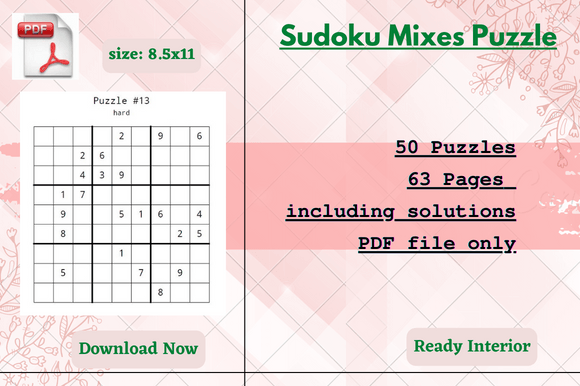
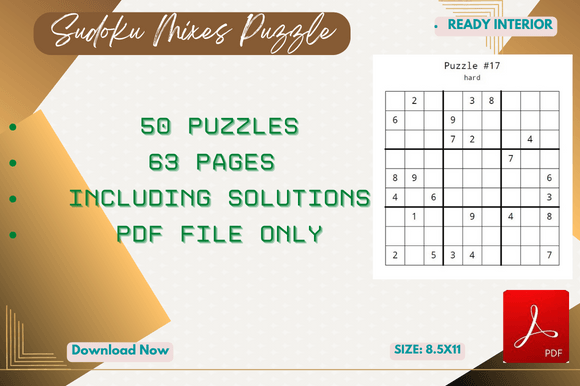
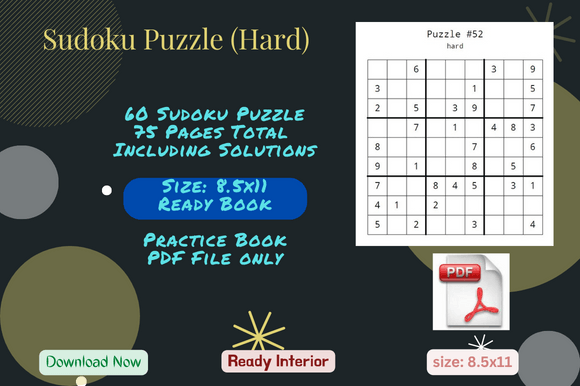
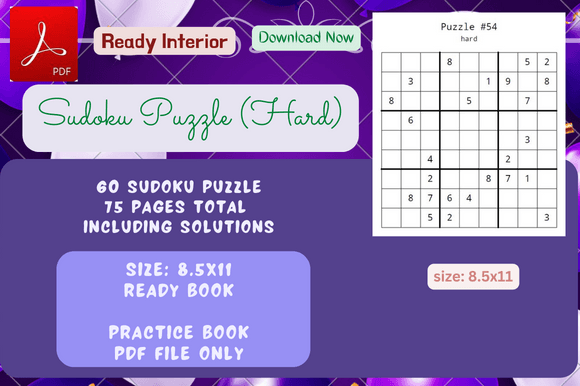
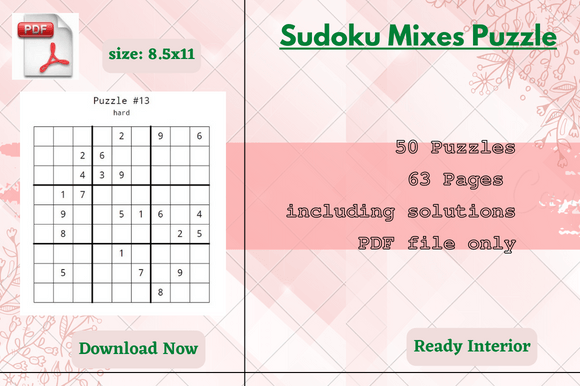
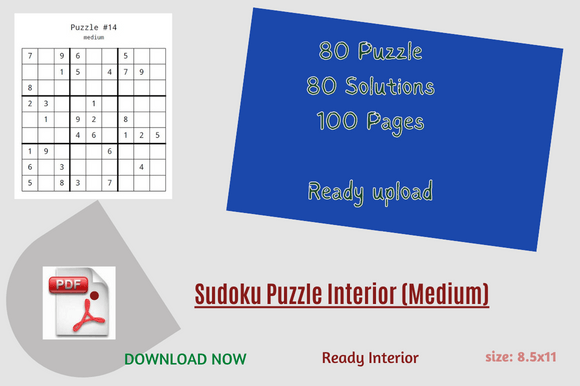
Sudoku Practice Puzzles are a popular and engaging way to sharpen your logical thinking and problem-solving skills. These puzzles, often presented in a 9x9 grid, challenge you to fill in the missing numbers so that each row, column, and 3x3 subgrid contains all the digits from 1 to 9 without repetition.
Why Choose Sudoku Practice Puzzles?
There are several compelling reasons why someone might be interested in Sudoku Practice Puzzles:
- Mental Stimulation: Sudoku puzzles provide an excellent workout for your brain, helping to improve concentration and cognitive function.
- Stress Relief: Engaging in Sudoku can be a relaxing and meditative activity, offering a break from daily stressors.
- Convenience: Sudoku puzzles can be enjoyed anywhere, whether you're at home, on a bus, or waiting in line. They require no special equipment, just a pencil and paper (or a digital device).
- Progress Tracking: As you solve more puzzles, you can track your progress and see improvements in your solving time and accuracy.
Benefits of Sudoku Practice Puzzles
The benefits of Sudoku Practice Puzzles extend beyond mere entertainment. Here are some key advantages:
- Enhanced Logical Thinking: Regularly solving Sudoku puzzles can help you develop better logical reasoning and critical thinking skills, which are valuable in many areas of life.
- Improved Memory: Sudoku requires you to remember and process information, which can help enhance your short-term and long-term memory.
- Patience and Persistence: Solving Sudoku puzzles often involves trial and error, teaching you the value of patience and persistence in achieving your goals.
- Mathematical Skills: While Sudoku doesn't involve complex arithmetic, it does help in developing a better understanding of number patterns and sequences.
Considerations and Tradeoffs
While Sudoku Practice Puzzles offer numerous benefits, there are also some considerations and tradeoffs to keep in mind:
- Time Investment: Solving Sudoku puzzles can be time-consuming, especially for beginners. It's important to balance puzzle-solving with other responsibilities and activities.
- Difficulty Levels: Sudoku puzzles come in various difficulty levels, from easy to very hard. Choosing the right level is crucial to avoid frustration or boredom. For instance, if you're new to Sudoku, starting with medium puzzles might be challenging but rewarding.
- Variety and Repetition: While Sudoku is a classic puzzle, some people may find the format repetitive. If you crave variety, you might want to explore other types of puzzles as well.
When Sudoku Practice Puzzles Are a Strong Fit
Sudoku Practice Puzzles are particularly well-suited for individuals who:
- Enjoy Logical Challenges: If you enjoy puzzles that require logical reasoning and pattern recognition, Sudoku is an excellent choice.
- Seek Brain Training: Those looking to exercise their brains and improve cognitive functions will find Sudoku puzzles highly beneficial.
- Need a Relaxing Hobby: If you need a calming and focused activity to de-stress, Sudoku can be a great option.
Alternatives to Consider
While Sudoku Practice Puzzles are a fantastic choice, there are other puzzle types and activities that might be worth considering based on your preferences and goals:
- Crossword Puzzles: If you enjoy word-based challenges, crossword puzzles can be a fun and intellectually stimulating alternative.
- Jigsaw Puzzles: For those who prefer visual and spatial challenges, jigsaw puzzles offer a different kind of mental engagement.
- Brain Teasers and Riddles: If you like a variety of puzzle types, brain teasers and riddles can provide a diverse range of challenges.
Practical Decision-Making Insights
To determine whether Sudoku Practice Puzzles align with your goals and needs, consider the following:
- Assess Your Interests: Reflect on what type of puzzles you enjoy. If you find logical and numerical challenges appealing, Sudoku is likely a good fit.
- Start with a Sample: Try a few Sudoku puzzles to see if you enjoy the experience. Many online resources offer free puzzles to start with.
- Set Realistic Goals: Start with easier puzzles and gradually move to more challenging ones. Setting realistic goals can help you stay motivated and engaged.
- Balance with Other Activities: Ensure that puzzle-solving fits into your overall schedule and doesn't take away from other important activities.
In conclusion, Sudoku Practice Puzzles offer a unique and rewarding way to engage your mind, improve your cognitive skills, and enjoy a relaxing pastime. By carefully considering your interests, setting realistic goals, and balancing your activities, you can make the most of this classic and beloved puzzle. Whether you're a seasoned solver or a curious beginner, Sudoku Practice Puzzles have something to offer for everyone.